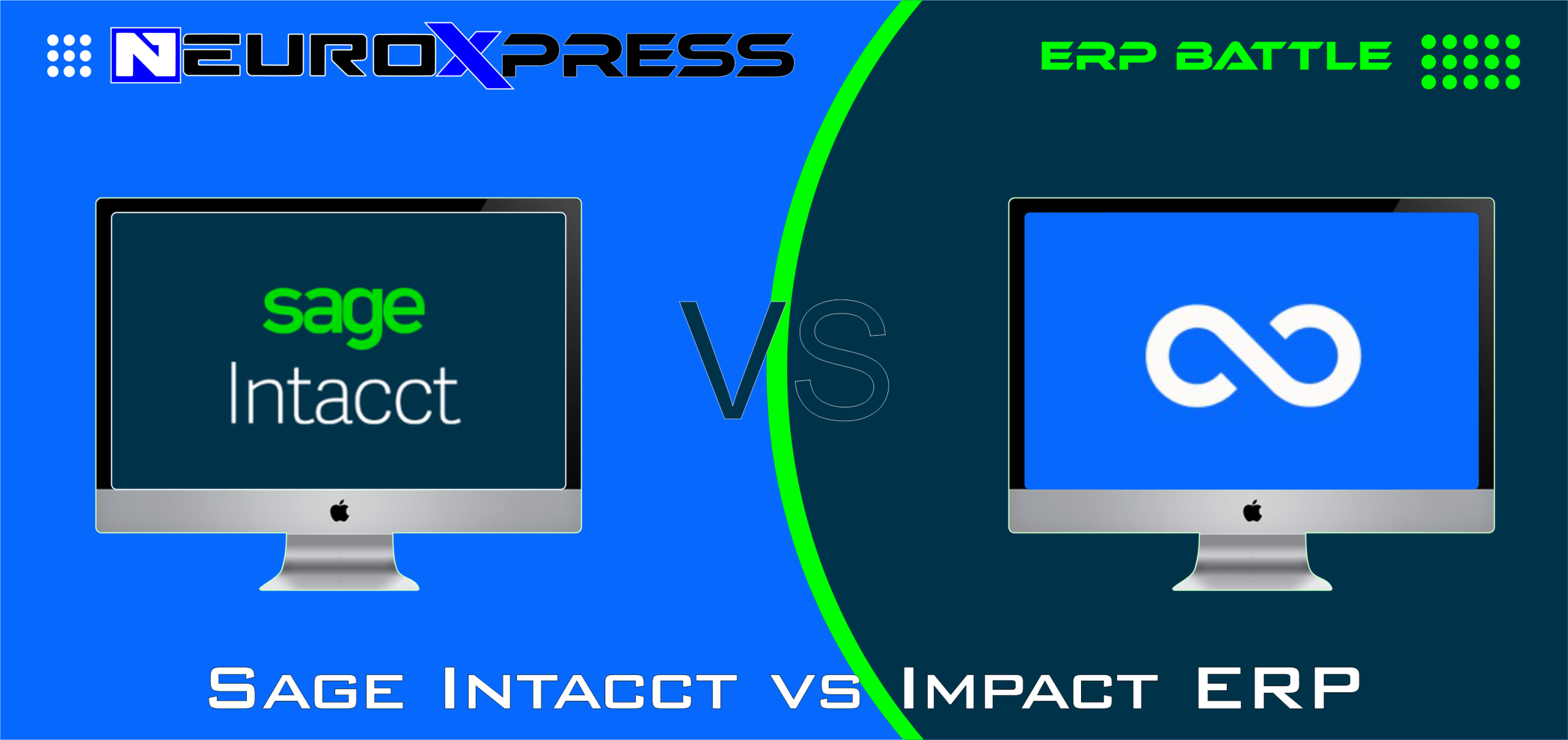
ERP Software Comparison: Odoo ERP vs Impact ERP – Who is better between these two software?
Introduction
Choosing the right ERP software is crucial for streamlining operations, improving productivity, and scaling a business effectively. In this ERP Software Comparison: Odoo ERP vs Impact ERP, we’ll dive deep into the strengths, weaknesses, and unique features of each platform.
Odoo ERP is renowned for its modularity and flexibility, while Impact ERP offers targeted solutions with a focus on manufacturing and distribution industries. Let’s explore which system fits your business needs better.
Overview of Odoo ERP
What is Odoo ERP?
Odoo ERP is an open-source, modular platform offering over 40 applications, covering everything from CRM and sales to inventory and manufacturing. Known for its customizability, Odoo allows businesses to build a tailored system without a heavy upfront investment.
Key Features of Odoo ERP
-
Extensive range of business modules
-
Open-source and highly customizable
-
Cloud and on-premises deployment options
-
Strong third-party app ecosystem
-
Intuitive, modern user interface
Overview of Impact ERP
What is Impact ERP?
Impact ERP is a specialized ERP system designed mainly for the manufacturing, distribution, and service industries. Built with an emphasis on process optimization, Impact ERP provides industry-specific features to enhance operational efficiency.
Key Features of Impact ERP
-
Deep manufacturing and distribution functionalities
-
Strong project management tools
-
Robust inventory and supply chain management
-
Integrated CRM and financial management
-
Focus on small to mid-sized businesses
ERP Software Comparison: Odoo ERP vs Impact ERP
Core Features and Capabilities
| Feature | Odoo ERP | Impact ERP |
|---|---|---|
| Deployment | Cloud & On-premises | Cloud & On-premises |
| Financial Management | Strong with extensions | Strong, manufacturing-focused |
| Manufacturing Support | Advanced with modules | Core strength |
| CRM | Built-in, customizable | Integrated but simpler |
| Customization | Very High | Moderate (Industry-specific) |
| Integrations | Extensive via apps | Limited but targeted |
| Target Market | All industries | Manufacturing, Distribution, Service Industries |
Pros and Cons of Odoo ERP and Impact ERP
Pros and Cons Table
| Category | Odoo ERP | Impact ERP |
|---|---|---|
| Pros | ✔ Highly modular and flexible ✔ Affordable ✔ Wide range of applications ✔ Vibrant community support |
✔ Industry-focused ERP features ✔ Strong manufacturing and supply chain tools ✔ Good for project-centric companies ✔ Simplified user interface |
| Cons | ✖ Requires technical expertise ✖ Overwhelming options for small businesses ✖ Core manufacturing features require add-ons |
✖ Less flexible for non-manufacturing industries ✖ Fewer third-party integrations ✖ Less customizable than open-source alternatives |
Storytelling: Real-World Applications
Odoo ERP in Action
BrightLite Electronics, a fast-growing electronics manufacturer, needed an affordable yet scalable ERP. By choosing Odoo ERP, they could start small with CRM and inventory management, and gradually add manufacturing modules as the business expanded internationally.
Impact ERP in Action
SteelWorks Manufacturing, a mid-sized industrial company, struggled with fragmented systems for inventory, production, and sales. Implementing Impact ERP provided an industry-specific platform, unifying all operations, cutting production delays by 30%, and boosting overall efficiency.
Detailed Comparison Factors
Deployment Flexibility
-
Odoo ERP: Cloud-hosted or on-premises, depending on business needs.
-
Impact ERP: Primarily cloud-based but offers on-premises installations as well.
Industry Specialization
-
Odoo ERP: Versatile, serving various industries through modular apps.
-
Impact ERP: Specialized for manufacturing, distribution, and service sectors.
Financial Management
-
Odoo ERP: Strong financial modules, customizable to industry needs.
-
Impact ERP: Solid financial capabilities integrated with operational modules.
Manufacturing and Inventory
-
Odoo ERP: Manufacturing and inventory features available through additional modules.
-
Impact ERP: Native support for manufacturing processes with built-in tools.
Customization and Integrations
-
Odoo ERP: Extremely flexible, allowing heavy customization.
-
Impact ERP: Customizable within its framework but less extensive than open-source options.
Pricing Structure
-
Odoo ERP: Lower entry cost with optional paid modules.
-
Impact ERP: Mid-range pricing, bundled features for specific industries.
Summary Table: Quick ERP Recommendation
| Business Need | Recommended ERP |
|---|---|
| Modular and customizable ERP | Odoo ERP |
| Specialized manufacturing solutions | Impact ERP |
| Broad industry adaptability | Odoo ERP |
| Pre-built operational workflows for manufacturing | Impact ERP |
| Budget flexibility and scaling options | Odoo ERP |
Conclusion of ERP Software Comparison: Odoo ERP vs Impact ERP
In this ERP Software Comparison: Odoo ERP vs Impact ERP, both platforms demonstrate powerful capabilities, but their strengths cater to different organizational needs.
-
Choose Odoo ERP if you seek a flexible, modular system that can adapt to a wide variety of industries and evolving business requirements.
-
Choose Impact ERP if you are a manufacturing, distribution, or service company needing a highly targeted, industry-specific solution with minimal configuration.
Ultimately, understanding your business’s core priorities will guide you toward the ERP system that can drive the most value.
Soft CTA:
👉 Learn more about Odoo ERP Official Website and Impact ERP Official Website.