Customer Relationship Management in Banking: The Key to Building Long-Term Customer Loyalty
Introduction: The Evolution of Customer Relationships in Banking
A decade ago, banks primarily focused on transactional relationships—customers deposited money, took loans, and the relationship ended there. However, in today’s customer-driven world, banks must shift towards relationship-based banking, where customer needs, preferences, and behaviors shape the services offered.
Take the case of a regional bank struggling with declining customer engagement. With no personalized services or streamlined interactions, customers started switching to competitors offering digital-first experiences. By integrating a Customer Relationship Management (CRM) system, the bank was able to centralize customer data, personalize interactions, and offer proactive financial solutions—leading to a 25% boost in customer retention within a year.
What is Customer Relationship Management (CRM) in Banking?
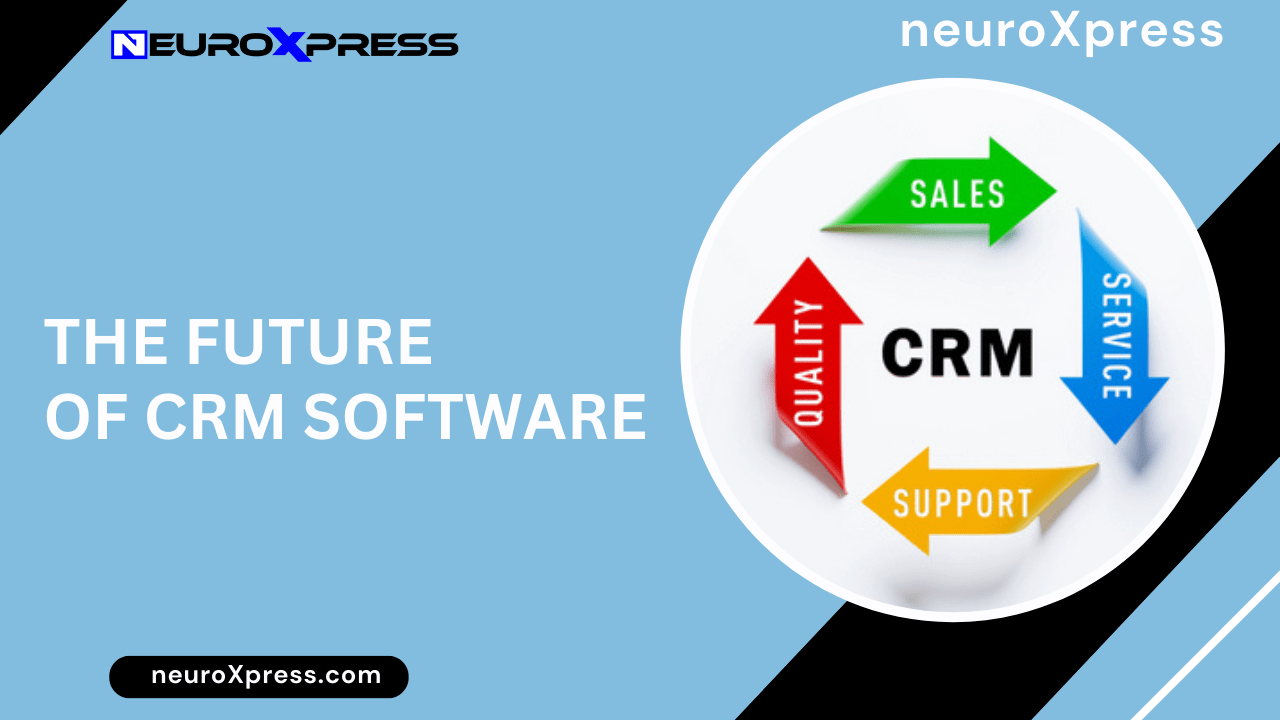
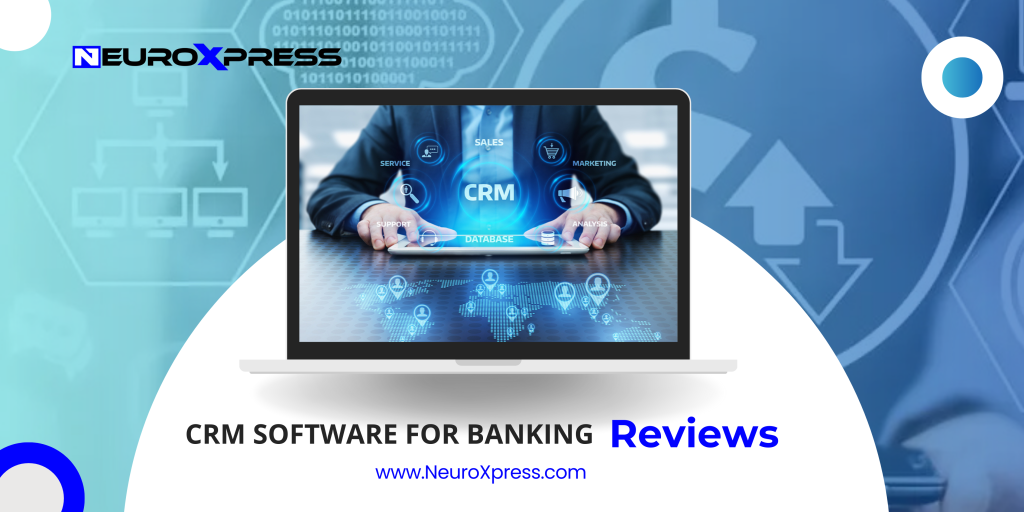
Customer Relationship Management (CRM) in banking refers to the use of technology-driven solutions to manage customer interactions, enhance engagement, and drive long-term loyalty. Banking CRMs consolidate customer information, automate communication, and provide data-driven insights to optimize services.
Why Banks Need CRM Systems
In the competitive banking industry, retaining customers and building trust is critical. A well-implemented CRM system provides:
✅ Personalized banking experiences based on customer history and preferences
✅ Automated workflows to reduce response times and enhance efficiency
✅ Omnichannel engagement across mobile apps, emails, chatbots, and branches
✅ Predictive analytics to anticipate customer needs and suggest relevant financial products
✅ Regulatory compliance to ensure adherence to banking laws and policies
Key Benefits of CRM in Banking
Here’s a breakdown of how CRM systems transform banking operations:
| Benefit | Impact on Banking |
|---|---|
| Enhanced Customer Engagement | Personalizes interactions through AI-driven insights and automated messaging |
| Improved Customer Retention | Strengthens loyalty with proactive services and targeted financial solutions |
| Cross-Selling & Upselling Opportunities | Increases revenue by recommending relevant banking products |
| Operational Efficiency | Reduces manual workload by automating onboarding, KYC compliance, and transaction monitoring |
| Risk Management & Fraud Detection | Uses AI to detect fraudulent activities and ensure compliance |
| 360-Degree Customer View | Consolidates customer interactions across all banking channels |
Best CRM for Customer Relationship Management in Banking
Selecting the right CRM software is crucial for banks to enhance customer interactions. Below is a comparison of the top CRM solutions tailored for the banking industry:
| CRM Software | Best For | Key Features | Pricing (Estimated Monthly Cost) |
|---|---|---|---|
| Salesforce Financial Services Cloud | Large banks & financial institutions | AI-driven insights, customer segmentation, compliance tools | $300 – $500 |
| Microsoft Dynamics 365 | Enterprise banks | AI-powered analytics, fraud detection, omnichannel engagement | $150 – $350 |
| Oracle Siebel CRM | Customizable banking needs | High security, advanced reporting, complex workflow automation | $200 – $400 |
| Temenos CRM | Digital-first banks | Cloud-native, AI-driven banking automation, compliance management | $250 – $450 |
| nCino Bank Operating System | Lending-focused banks | Loan origination, account opening automation, workflow streamlining | $200 – $400 |
| Finastra Fusion CRM | Mid-sized & community banks | Cloud-based, customer insights, financial product recommendation | $100 – $300 |
| Zoho CRM Finance Edition | Credit unions & small banks | Cost-effective, cloud-based automation, AI-powered predictions | $20 – $100 |
How CRM Transforms Banking Operations
1. Strengthening Customer Relationships
Banks using CRM systems can track customer preferences and offer relevant financial advice, fostering stronger relationships.
2. Boosting Sales & Revenue Growth
By analyzing customer data, banks can recommend the right services—be it loans, investment plans, or credit cards—at the right time.
3. Ensuring Compliance & Security
CRM systems help banks adhere to stringent regulatory policies like AML (Anti-Money Laundering) and KYC (Know Your Customer), reducing legal risks.
Conclusion: The Future of CRM in Banking
In an era where customer expectations are at an all-time high, CRM in banking is no longer a luxury but a necessity. By leveraging CRM solutions, banks can offer tailored experiences, automate workflows, and ensure compliance—ultimately leading to long-term customer loyalty and business growth.
For banks looking to stay ahead in the competitive financial landscape, adopting a robust CRM system is the key to future success. Ready to enhance your bank’s customer relationships? Explore the CRM options above and take the first step towards a more customer-centric approach!
Next Steps?
Looking for a CRM tailored to your banking needs? Start by evaluating your customer engagement goals and testing out CRM software demos today!