In today’s complex and interconnected business landscape, efficiency, accuracy, and real-time insights are no longer luxuries but necessities. Many companies, especially those experiencing growth, find themselves juggling disparate systems, manual processes, and fragmented data. This often leads to operational bottlenecks, costly errors, and a lack of clear visibility into overall performance. The solution that frequently emerges as a game-changer is Enterprise Resource Planning (ERP) software. But beyond the buzzwords, a fundamental question remains for many business leaders: How would an ERP typically help in a business? This article aims to demystify the role of ERP, illustrating the tangible ways these integrated systems streamline operations, enhance decision-making, and drive sustainable growth across various departments.
Imagine “Sunrise Organics,” a medium-sized company that sources and distributes organic produce. For years, their inventory manager used spreadsheets, the sales team tracked orders in a separate CRM, and finance managed accounts in an aging accounting system. When a large order came in, checking stock meant calling the warehouse, sales couldn’t confirm delivery dates reliably, and finance often had to manually reconcile data from three different sources.
The CEO, Ms. Dian, felt like she was always a step behind, reacting to problems instead of proactively managing her business. This siloed approach led to missed opportunities and frustrated customers. Ms. Dian’s predicament is a classic example of why businesses turn to ERP, seeking to understand precisely how would an ERP typically help in a business?
The Core Concept: Unifying Business Functions
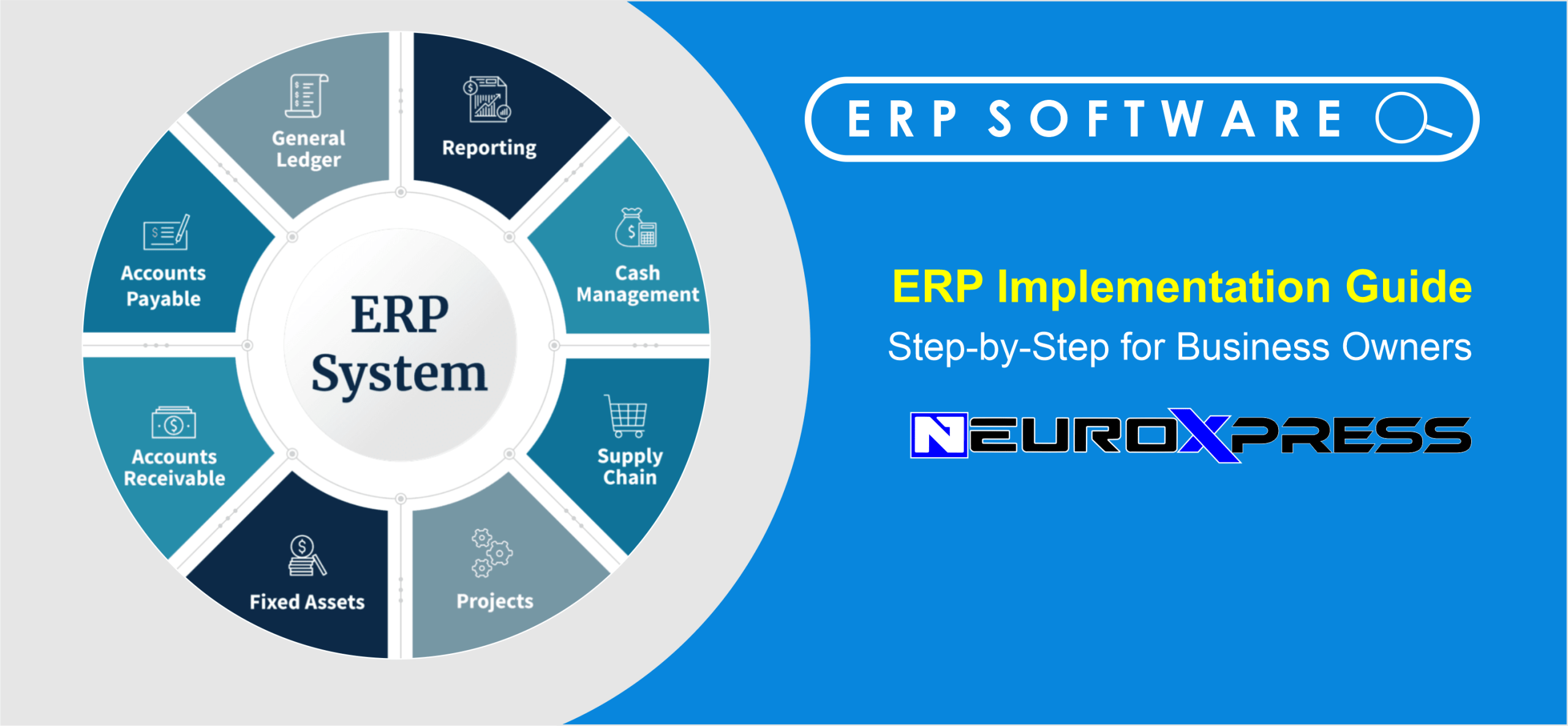
At its heart, an ERP system is designed to integrate and manage all the core business processes of an organization into a single, unified system. Instead of individual departments operating in isolation with their own data and software, an ERP provides a centralized database and a common platform for all functions. This integration is the primary mechanism through which an ERP delivers its comprehensive benefits.
Breaking Down Silos and Fostering Collaboration
Traditional businesses often suffer from departmental silos, where information is hoarded or not easily shared across teams. This leads to:
- Duplicate Data Entry: Different departments entering the same customer or product information multiple times.
- Inconsistent Data: Variations in data across systems, leading to conflicting reports and confusion.
- Manual Handoffs: Processes requiring information to be manually transferred from one department to another, increasing errors and delays.
- Lack of Visibility: Leadership unable to get a real-time, holistic view of the business.
An ERP system, by creating a single source of truth, eliminates these issues. When a sales order is entered, for instance, inventory, finance, and logistics all have immediate access to that same, accurate information, fostering seamless collaboration.
How an ERP Typically Helps Across Key Business Areas
The benefits of an ERP system radiate across almost every facet of a business. To truly understand how would an ERP typically help in a business?, let’s explore its impact on various departments and functions.
1. Financial Management
- Centralized Accounting: Integrates General Ledger, Accounts Payable, Accounts Receivable, and Cash Management into one system, providing a real-time, accurate financial picture.
- Automated Processes: Automates invoicing, payment processing, and bank reconciliations, reducing manual effort and errors.
- Improved Reporting: Generates comprehensive financial statements, budget reports, and profitability analyses instantly, enabling better strategic decision-making.
- Enhanced Compliance: Helps businesses adhere to accounting standards and tax regulations through built-in controls and audit trails.
2. Supply Chain and Inventory Management
- Real-time Inventory Visibility: Provides accurate, up-to-the-minute stock levels across all warehouses, reducing overstocking and stockouts.
- Optimized Purchasing: Automates purchase order creation based on demand and reorder points, improving vendor relationships and cost control.
- Streamlined Order Fulfillment: Integrates sales orders with inventory and shipping, accelerating order processing from placement to delivery.
- Demand Forecasting: Uses historical data to predict future demand, allowing for better production and purchasing planning.
3. Sales and Customer Relationship Management (CRM)
- Unified Customer Data: Centralizes all customer information, from contact details to sales history and support interactions, providing a 360-degree view.
- Improved Lead Management: Tracks leads and opportunities through the sales pipeline, helping sales teams prioritize and close deals faster.
- Enhanced Customer Service: Empowers service reps with immediate access to customer history, enabling faster and more personalized support.
- Faster Quoting and Order Entry: Automates pricing, discounts, and order creation, reducing errors and improving efficiency.
4. Manufacturing and Production
- Production Planning: Helps manage Bill of Materials (BOMs), routings, and production schedules to optimize manufacturing processes.
- Material Requirements Planning (MRP): Ensures the right materials are available at the right time, minimizing delays and waste.
- Shop Floor Control: Tracks work in progress (WIP) and production efficiency in real-time, allowing for immediate adjustments.
- Quality Management: Integrates quality control processes throughout production, reducing defects and improving product consistency.
5. Human Resources (HR) and Payroll
- Centralized Employee Data: Manages employee records, benefits, time and attendance, and performance data in one place.
- Streamlined Payroll: Integrates with payroll systems (or offers native payroll), ensuring accurate and timely compensation.
- Self-Service Portals: Empowers employees to access their pay stubs, benefits information, and request time off, reducing HR administrative burden.
Here’s a table summarizing how an ERP typically helps:
The Overarching Benefits: How an ERP Typically Helps in a Business’s Growth
Beyond departmental improvements, ERP systems offer overarching strategic advantages that directly contribute to a business’s ability to grow. This addresses the deeper implications of how would an ERP typically help in a business?
1. Improved Efficiency and Productivity
By automating routine tasks and eliminating manual data entry, ERP frees up employees to focus on more strategic, value-added activities. This leads to higher productivity across the organization, allowing the same resources to achieve more.
2. Enhanced Data Accuracy and Real-time Insights
A single, integrated database ensures data consistency and accuracy across all functions. This real-time, reliable information empowers management to make faster, more informed decisions, react quickly to market changes, and identify new opportunities.
3. Better Compliance and Risk Management
ERP systems often come with built-in regulatory compliance features, audit trails, and robust security controls. This reduces the risk of non-compliance, financial errors, and fraud, providing peace of mind as the business expands.
4. Cost Reduction
While the initial investment can be significant, ERP helps reduce operational costs over time by:
- Minimizing manual errors and rework.
- Optimizing inventory levels (reducing carrying costs).
- Improving supply chain efficiency.
- Reducing administrative overhead.
- Streamlining processes to require fewer resources.
5. Scalability for Future Growth
A well-implemented ERP system is designed to grow with your business. Whether it’s adding new users, increasing transaction volumes, opening new locations, or launching new product lines, the ERP acts as a scalable backbone that can support expansion without requiring a complete system overhaul.
Revisiting Ms. Dian at “Sunrise Organics.” After implementing an ERP, her business transformed. The sales team could check real-time inventory from their tablets, ensuring accurate order confirmations. Production knew exactly what to pick and pack based on incoming orders.
Finance had immediate access to all transaction data, enabling accurate financial statements in minutes, not days. Ms. Dian now had a single dashboard showing her sales, inventory, and profit margins. She could proactively identify popular products, manage supplier relationships better, and confidently plan for expanding to new distribution centers. For Sunrise Organics, the ERP wasn’t just a tool; it was the nervous system that allowed them to operate with unprecedented efficiency and scale.
Challenges and Considerations in ERP Implementation
While the benefits are compelling, it’s important to be objective about the challenges of ERP implementation. Understanding these helps manage expectations.
- Significant Investment: ERP systems represent a substantial financial investment, not just in software licenses but also in implementation services, training, and potential customizations.
- Time and Resources: Implementation is a complex project that requires dedicated time and resources from your internal team, not just the ERP vendor or partner.
- Change Management: Adopting a new ERP fundamentally changes how people work. Resistance to change can be a significant hurdle, requiring strong leadership, clear communication, and comprehensive training.
- Complexity: ERP systems are inherently complex. Choosing the right system and ensuring a proper fit for your business processes is critical for success.
Here’s a Pros & Cons table summarizing ERP benefits vs. implementation challenges:
Conclusion: How Would an ERP Typically Help in a Business?
In conclusion, how would an ERP typically help in a business? The answer lies in its power to unify, automate, and provide real-time insights across an entire organization. An ERP system transforms fragmented operations into a cohesive, efficient, and data-driven powerhouse.
From streamlining financial management and optimizing supply chains to enhancing customer relationships and boosting manufacturing efficiency, ERP empowers businesses to break free from manual complexities and make smarter decisions. While the journey of implementation requires commitment and investment, the long-term benefits of improved productivity, reduced costs, enhanced data accuracy, and robust scalability make ERP an indispensable tool for any business aiming for sustainable growth and competitive advantage in the modern era. It is, in essence, the central nervous system that keeps a growing business healthy, agile, and ready for what comes next.
Summary Diagram: ERP’s Core Contributions to a Business
(Disclaimer: This article provides general information about ERP systems. Specific features and benefits may vary significantly depending on the ERP vendor, industry, and individual business implementation.)