Understanding the technological foundation of an Enterprise Resource Planning (ERP) software is critical. It’s not just about knowing what features are offered, but also how those features are built, how flexible the system is, and how it can adapt to future needs. For many businesses considering Acumatica Cloud ERP, knowing what platform does Acumatica use? is key to understanding its scalability, ease of integration, and long-term development direction.
Imagine Sarah, a CTO at a rapidly growing manufacturing company. Her team is evaluating various ERP solutions, and Acumatica is a strong candidate. However, Sarah, with her technical background, doesn’t just want to know what Acumatica can do; she wants to understand how Acumatica does it. She wants to ensure that the underlying platform is modern, secure, flexible, and won’t become an obsolete technology in a few years. The question What Platform Does Acumatica Use? is at the heart of her inquiry.
The Foundation: Acumatica’s xRP Platform
Acumatica is built on its proprietary xRP platform, a modern, flexible, and robust architectural framework specifically designed for cloud and mobile business applications. Unlike many legacy ERP systems that were retrofitted for the cloud, Acumatica was engineered from the ground up to operate natively in a cloud environment. This distinction is fundamental to answering What Platform Does Acumatica Use?
Key Components of the xRP Platform
The xRP platform is a comprehensive application development framework that leverages standard, widely-adopted technologies, making it familiar and accessible to developers and IT professionals.
- Programming Language: Acumatica’s core application logic is primarily built using Microsoft .NET Framework / .NET Core (with C# as the primary language). This is a highly robust, secure, and widely supported development ecosystem.
- Database: Acumatica uses Microsoft SQL Server as its primary relational database management system. SQL Server is a powerful and scalable database solution, capable of handling large volumes of data and complex queries, essential for an ERP system.
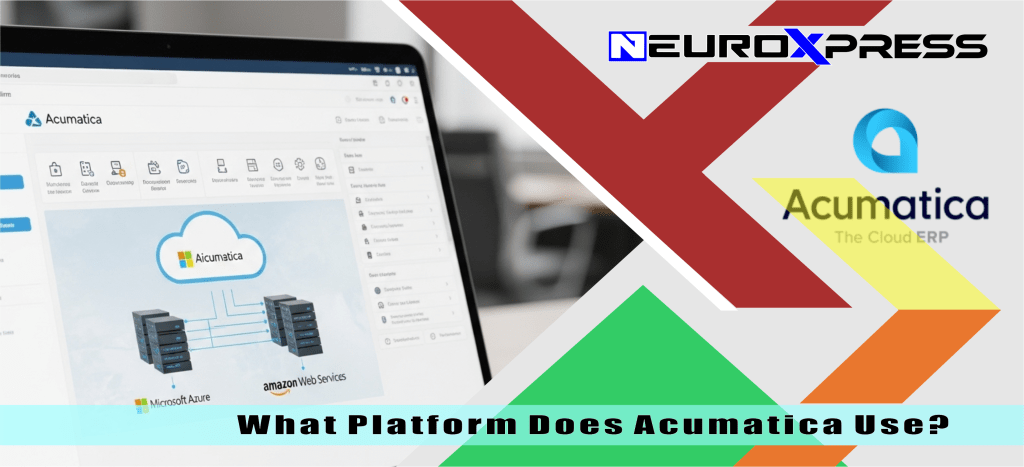
- Cloud Infrastructure: Acumatica’s SaaS (Software as a Service) offering runs on leading public cloud providers, primarily Amazon Web Services (AWS) and Microsoft Azure. This multi-cloud strategy provides high availability, disaster recovery, and global reach.
- Web Technologies: Being a web-based application, Acumatica utilizes standard web technologies for its user interface and communication protocols. This includes ASP.NET for the application layer and standard web protocols like HTTP/HTTPS for secure communication.
- Open APIs (Application Programming Interfaces): A crucial aspect of the xRP platform is its comprehensive set of Web Services APIs (e.g., SOAP, REST). These APIs enable seamless integration with virtually any third-party application, providing immense flexibility for businesses to build a connected ecosystem.
- Customization Layer: The xRP platform includes a powerful built-in customization engine that allows users and partners to extend and tailor the ERP system without modifying the core source code. This “no-code/low-code” capability is a significant advantage for businesses seeking to adapt the system to their unique workflows.
Why Acumatica’s Platform Choice Matters for Businesses
Understanding what platform does Acumatica use? goes beyond technical curiosity; it has direct implications for your business.
Flexibility and Adaptability
Because Acumatica is built on the xRP platform, businesses can customize workflows, screens, and reports to match their unique operational needs. This means the system can evolve as your business grows or pivots, without costly and complex core code modifications that would impact upgrades. For partners and internal developers, the platform facilitates faster development of new modules or industry-specific solutions.
Scalability and Performance
By leveraging AWS and Azure, Acumatica can dynamically scale its resources up or down to handle fluctuating transaction volumes and user loads. This ensures consistent performance even during peak periods, a critical factor for growing businesses. SQL Server also provides a solid, enterprise-grade foundation for managing and retrieving large datasets quickly, which is essential for comprehensive ERP reporting and analytics.
Integration Capabilities
The rich set of open APIs is a major strength. Businesses can easily integrate Acumatica with existing systems (like CRM, e-commerce platforms, shipping software, or specialized industry applications), creating a truly connected business ecosystem. This avoids data silos and streamlines operations. For IT teams familiar with Microsoft technologies (.NET, SQL Server), the platform’s foundation can make integration and customization efforts more straightforward.
Future-Proofing
Acumatica regularly updates its platform, incorporating the latest technologies like Artificial Intelligence (AI) and Machine Learning (ML) into its core functionalities. Its modern architecture allows for seamless updates without disruptive upgrades. Also, leveraging widely used technologies like .NET and SQL Server means a larger pool of developers and IT professionals are familiar with the underlying stack, making it easier to find talent for customization or support.
Deployment Options and the Platform
The flexibility of Acumatica’s platform extends to its deployment options, further clarifying What Platform Does Acumatica Use? and how it impacts your business.
SaaS (Software as a Service)
- Platform: Acumatica hosts and manages the software on leading public cloud infrastructure providers (AWS, Azure).
- Benefit: This is the most common and often the most cost-effective option, eliminating the need for internal IT infrastructure or maintenance, providing seamless updates, and offering the highest accessibility.
Private Cloud Subscription (PCS)
- Platform: Acumatica software is licensed and deployed on a customer’s private cloud (e.g., their own Azure instance or a preferred hosting provider).
- Benefit: This offers more control over the environment and data location, while still leveraging cloud benefits. The customer manages their cloud infrastructure.
Private Cloud Perpetual (PCP) / On-Premise
- Platform: The customer purchases a perpetual license and installs Acumatica on their own servers, typically running Microsoft Windows Server and SQL Server.
- Benefit: This provides full control over the hardware and software environment. However, it incurs significant upfront IT costs, ongoing maintenance, and internal IT burden. This option is less common for new implementations now.
This multi-deployment capability underscores the adaptability of the xRP platform, allowing businesses to choose the model that best fits their IT strategy and compliance requirements.
Conclusion: What Platform Does Acumatica Use?
In conclusion, the answer to What Platform Does Acumatica Use? is clear and compelling: Acumatica is built upon its powerful, proprietary xRP platform, which in turn leverages industry-standard, widely adopted Microsoft technologies. Specifically, it uses .NET Framework / .NET Core for its application logic and Microsoft SQL Server for its database. For cloud deployments, it utilizes the robust global infrastructure of Amazon Web Services (AWS) and Microsoft Azure.
This strategic choice of platform provides Acumatica with a strong foundation for:
- Flexibility and Customization: Through its built-in xRP tools.
- Scalability and Performance: Leveraging cloud elasticity and a robust database.
- Integration Capabilities: Thanks to open APIs and standard technologies.
- Future-Proofing: Ensuring continuous innovation and broad developer support.
For businesses evaluating ERP solutions, understanding Acumatica’s underlying platform provides confidence that they are investing in a modern, adaptable, and technologically sound system that can evolve with their needs for years to come. It’s a platform built for the complexities of today’s business and the opportunities of tomorrow.
Summary Diagram: Acumatica’s Core Platform Stack
Further Resources:
- Acumatica Cloud xRP Platform Overview: https://www.acumatica.com/developers/cloud-xrp-platform/
- Acumatica’s “Why Cloud ERP” page: (Navigate to insights or resources section on their main site for more details on their cloud strategy: https://www.acumatica.com/)
- Microsoft .NET: https://dotnet.microsoft.com/
- Microsoft SQL Server: https://www.microsoft.com/en-us/sql-server