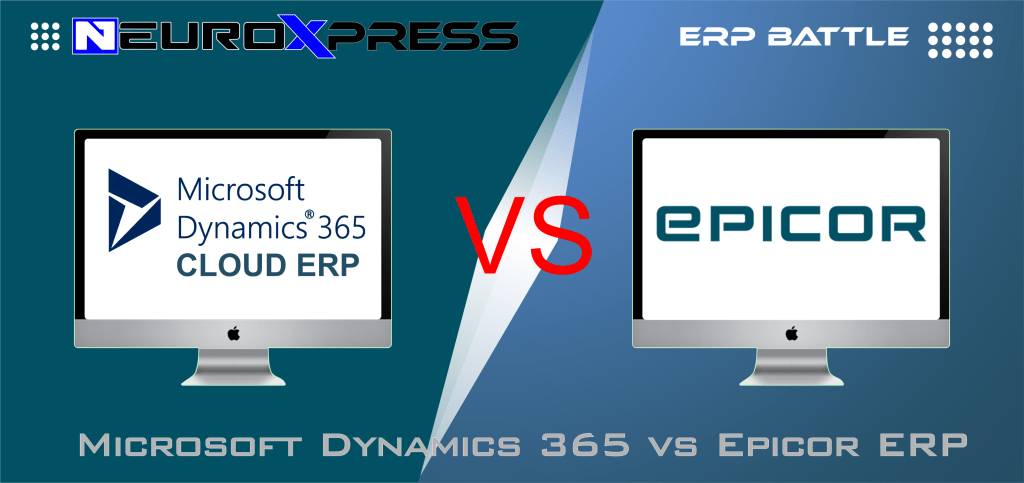
Microsoft Dynamics 365 vs Epicor ERP: Finding the Right Fit for Your Business Transformation
Introduction: Microsoft Dynamics 365 vs Epicor ERP
When companies are looking to level up operations, streamline processes, and integrate departments, ERP systems become the core of digital transformation. Two heavyweights that often come into consideration are Microsoft Dynamics 365 vs Epicor ERP.
While both systems promise robust functionality, scalability, and integration capabilities, the choice between the two can shape the trajectory of your organization’s success—or failure. In this in-depth analysis of Microsoft Dynamics 365 and Epicor ERP, we break down key features, pricing, ideal use cases, and real-world scenarios so you can make a confident decision.
🚀 Storytelling: A Manufacturing Firm at the Crossroads
In early 2023, a family-run manufacturing business in Pennsylvania was ready to upgrade from their outdated on-prem ERP to a modern, cloud-first solution. The company had grown significantly post-pandemic and needed better inventory tracking, job costing, and a centralized dashboard for decision-makers.
The board narrowed it down to two ERP options: Microsoft Dynamics 365 for its modern UX and enterprise capabilities, and Epicor ERP for its reputation in manufacturing industries.
The CEO, Ryan, knew that choosing wrong would cost them not just money—but momentum.
Let’s break down both platforms so you don’t have to gamble like Ryan.
What is Microsoft Dynamics 365?
Microsoft Dynamics 365 is a modular ERP and CRM platform from Microsoft. It’s designed for medium to large enterprises seeking a cloud-based ecosystem that integrates with everyday tools like Excel, Teams, and Outlook, offering AI-driven business intelligence across departments.
Key Benefits:
-
End-to-end business application suite
-
Built-in AI and machine learning
-
Tight integration with Microsoft products
-
Cloud-native and scalable
What is Epicor ERP?
Epicor ERP is an industry-focused ERP system, with deep roots in manufacturing, distribution, retail, and automotive sectors. It’s known for offering role-based dashboards, job costing, and manufacturing execution systems tailored to real-world factory floors.
Key Benefits:
-
Industry-specific solutions (especially manufacturing)
-
Strong shop floor integration
-
Deployment flexibility: cloud, hybrid, or on-prem
-
Scalable for midsize to enterprise-level companies
Microsoft Dynamics 365 vs Epicor ERP: Feature Comparison
| Feature | Microsoft Dynamics 365 | Epicor ERP |
|---|---|---|
| Core Modules | Finance, HR, Sales, SCM, Customer Service | Manufacturing, Finance, Supply Chain, HR |
| AI & Automation | Built-in AI & Power Automate | Limited AI, strong rule-based automation |
| Industry Focus | General enterprise (cross-industry) | Strong focus on manufacturing/distribution |
| Customization | High (via Power Platform) | High, but often requires implementation partner |
| UX/UI | Sleek, consistent Microsoft interface | More functional than stylish |
| Deployment Options | Cloud, on-prem, hybrid | Cloud, on-prem, hybrid |
| Mobile Access | Native apps, great performance | Mobile available but basic in comparison |
| Integration | Seamless with Office 365, Teams, etc. | API support, Epicor Data Integration Tools |
| Support Ecosystem | Microsoft Partner Network | Epicor Gold Partners & certified implementers |
💸 Pricing Overview
Microsoft Dynamics 365
-
Starts: ~$65/user/month (Sales, Finance, or SCM modules)
-
Can reach: $210+/user/month depending on modules
-
Additional costs: Customization, Power Platform tools
Epicor ERP
-
Quote-based pricing model
-
Typically ranges from $175–$250/user/month
-
Licensing depends on modules, deployment type, and number of users
💡 Note: Epicor pricing is highly variable depending on industry vertical and deployment scale.
Ideal Use Cases
Choose Microsoft Dynamics 365 if:
-
You need seamless Microsoft 365 integration
-
Your teams are already using Outlook, Teams, SharePoint, etc.
-
You need a modern interface and advanced AI features
-
You’re a services-based or cross-industry enterprise
Choose Epicor ERP if:
-
You’re in manufacturing, distribution, or retail
-
You need granular control over shop-floor activities
-
You want a system tailored for production environments
-
Your processes are highly industry-specific
🧠 Real-Life Revisit: What Happened to Ryan’s Firm?
After demoing both systems and talking to three implementation consultants, Ryan’s company chose Epicor ERP.
Why?
Because Epicor offered pre-built modules specific to their assembly-line process, including machine data collection, advanced job scheduling, and tool crib management. Dynamics 365 was tempting for its polish—but the manufacturing-specific depth of Epicor was too practical to ignore.
Their post-implementation ROI report showed a 17% increase in production efficiency within six months.
Pros & Cons Breakdown
✅ Microsoft Dynamics 365
Pros:
-
Polished, enterprise-ready UX
-
Strong Microsoft ecosystem integration
-
Built-in analytics and Power BI
-
Flexible cloud deployment
Cons:
-
Not industry-tailored (unless through add-ons)
-
Higher licensing costs for full-suite usage
-
May require training for non-Microsoft users
✅ Epicor ERP
Pros:
-
Deep manufacturing and distribution modules
-
Strong shop-floor control
-
Adaptable deployment (on-premise/cloud)
-
Customizable workflows for industry nuances
Cons:
-
Dated UI in some areas
-
Requires experienced partners for setup
-
Mobile and AI capabilities less advanced
📍 Summary Decision Map: Microsoft Dynamics 365 vs Epicor ERP
| Criteria | Winner |
|---|---|
| Enterprise Integration | Microsoft Dynamics 365 |
| Manufacturing Capabilities | Epicor ERP |
| User Interface | Microsoft Dynamics 365 |
| Customization Flexibility | Tie |
| AI & Analytics | Microsoft Dynamics 365 |
| Industry Focus (Manufacturing, Retail) | Epicor ERP |
| Total Cost of Ownership | Tie (depends on scale & modules) |
| Cloud Support | Both strong |
🔗 External Resources
Final Thoughts
Both Microsoft Dynamics 365 and Epicor ERP bring tremendous value to organizations—but from different angles.
-
If you’re looking for an intelligent, integrated ERP + CRM suite that plugs into your Microsoft ecosystem, go with Dynamics 365.
-
If your operations revolve around manufacturing, supply chain, or distribution, and you need a solution that understands the factory floor, Epicor ERP might be your best bet.
The best ERP is the one that understands your business model—not just your spreadsheets.