Introduction: The Turning Point of Digital Transformation
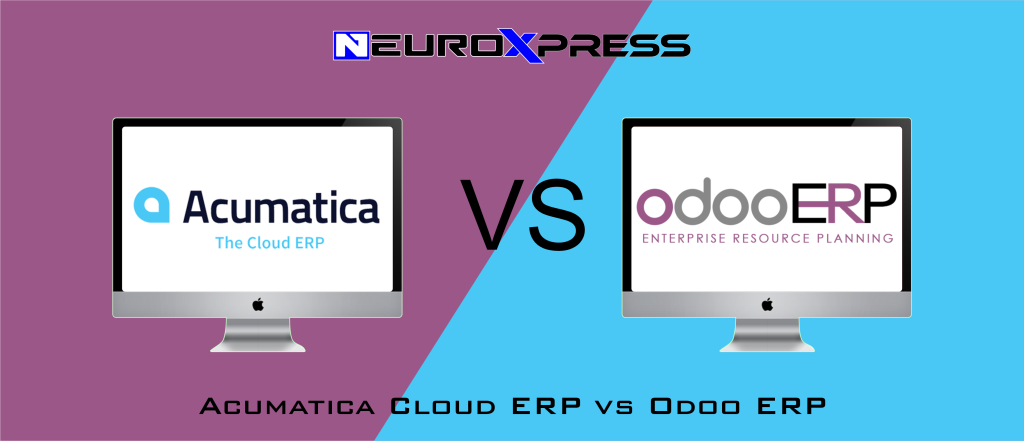
Acumatica Cloud ERP vs Odoo ERP: Choosing the Ideal Solution for Your Business. In 2020, amidst a rapidly shifting digital economy, a mid-sized logistics company found itself drowning in spreadsheets, disconnected systems, and communication delays. They knew it was time to evolve—or risk being outpaced by more agile competitors. This is the reality for many businesses today.
As organizations scale, so do the complexities of their operations. That’s where ERP systems like Acumatica Cloud ERP and Odoo ERP enter the scene—offering integrated solutions to unify departments, centralize data, and boost efficiency.
But the million-dollar question remains: Which one is the better fit for your organization—Acumatica or Odoo?
In this comprehensive comparison, we’ll dissect the strengths, weaknesses, features, and use cases of Acumatica Cloud ERP vs Odoo ERP—so you can make a decision grounded in clarity, not confusion.
Acumatica Cloud ERP: Built for Growth, Designed for Usability
Acumatica is a cloud-native ERP system specifically tailored to small and medium-sized businesses. With a flexible licensing model and modern architecture, it has become a popular choice for companies seeking a scalable, all-in-one solution.
Top Features:
-
Cloud and hybrid deployment options
-
Usage-based pricing (not per user)
-
Role-based dashboards and advanced BI reporting
-
RESTful API for integration with third-party software
-
Strong partner ecosystem for implementation
Odoo ERP: Open-Source Power and Customization at Scale
Odoo is the Swiss army knife of ERP systems. From CRM and inventory to HR and accounting, it offers a module for just about every business need. Best of all, it’s open-source—meaning companies can fully customize their ERP system at the code level.
Top Features:
-
40+ integrated business modules (plus 20,000+ from the community)
-
Cloud or on-premise deployment
-
Open-source Community version available
-
Intuitive user interface and seamless navigation
-
Strong developer ecosystem for extensions and support
Feature Comparison: Acumatica Cloud ERP vs Odoo ERP
| Feature | Acumatica Cloud ERP | Odoo ERP |
|---|---|---|
| Deployment Options | Cloud, Hybrid, On-Premise | Cloud, On-Premise |
| Licensing Model | Usage-based (not per user) | Per-user + per-module (Enterprise) |
| Customization Level | Moderate to High | Very High (especially Community edition) |
| Built-in Modules | Finance, CRM, Project Mgmt, etc. | CRM, Sales, Inventory, HR, etc. |
| Marketplace & Extensions | 100+ certified apps | 20,000+ community and official apps |
| BI & Reporting | Built-in dashboards and analytics | Depends on modules |
| Support | Via certified partners | Enterprise support or community forums |
| Open Source | ❌ No | ✅ Yes |
| Developer Ecosystem | Medium | Very Active |
Storytelling: Two Companies, Two Paths
Let’s look at two real-world scenarios.
Livia, CEO of a distribution company, needed real-time inventory visibility across multiple warehouses and mobile access for her sales team. Her priority was speed of implementation and robust vendor support. She chose Acumatica—and within six months, her team was fully integrated and running smoothly across finance, inventory, and CRM.
On the other hand, Marco, CTO of a manufacturing startup, had an in-house dev team and unique workflows. He opted for Odoo’s Community Edition, saving on licensing costs and customizing the system down to the smallest process. It took longer to implement, but the end result was a system tailored to perfection.
These two paths reflect the core differences in philosophy between Acumatica and Odoo.
Pros & Cons Comparison
| Aspect | Acumatica Cloud ERP | Odoo ERP |
|---|---|---|
| ✅ Pros | – Cloud-native & scalable | – Open-source with deep customization |
| – Not limited by user count | – Huge module library | |
| – Strong BI & reporting tools | – Lower cost of entry (Community edition) | |
| – Strong support from partners | – Large developer community | |
| ❌ Cons | – Licensing costs can be high | – Requires internal IT expertise |
| – Fewer modules than Odoo | – Quality varies among community modules | |
| – Not open-source | – Enterprise edition can get expensive |
Ideal Use Cases
When to Choose Acumatica Cloud ERP
-
You want a professional ERP with fast deployment
-
You prefer usage-based pricing over per-user licensing
-
You need strong reporting and mobile access
-
You value working with certified partners
When to Choose Odoo ERP
-
You need full code-level customization
-
You have an in-house dev or IT team
-
You’re looking for a low-cost ERP with optional scaling
-
You want to start with specific modules and expand over time
Pricing Comparison: Value vs Flexibility
Pricing between Acumatica Cloud ERP and Odoo ERP can vary dramatically based on your company’s size, the number of users, and the depth of customization needed.
| Pricing Factor | Acumatica Cloud ERP | Odoo ERP |
|---|---|---|
| Base Cost | Quote-based, starts at ~$1,000/month | Free (Community), from ~$24/user/month (Enterprise) |
| Pricing Model | Usage-based (resources used) | Per user + per module (Enterprise) |
| Deployment Costs | May include partner implementation fees | Lower for Community, higher if using external consultants |
| Customization Costs | Moderate, via partners or in-house devs | Low to high (depending on complexity & version used) |
| Total Cost of Ownership | Higher upfront, lower over time for fast-scaling | Low entry cost, but higher dev/maintenance costs long-term |
💡 Pro Tip:
If you’re growing fast and need reliable support with minimal internal tech overhead, Acumatica might be the better long-term investment. If you’re tech-savvy and want complete control, Odoo Community gives you unbeatable flexibility—at the cost of time and technical expertise.
Community & Ecosystem: Plug-and-Play vs DIY Freedom
| Aspect | Acumatica | Odoo |
|---|---|---|
| Developer Community | Moderate | Massive open-source community |
| Partner Ecosystem | Strong network of certified VARs | Official & third-party partners globally |
| Marketplace Availability | 100+ certified add-ons | 20,000+ apps (official + community) |
| Documentation Quality | Business-ready manuals | Rich dev-oriented documentation |
| Learning Resources | Webinars, training via Acumatica University | Odoo Academy + community YouTube tutorials |
Odoo’s open-source model gives you a thriving playground of community-built modules, while Acumatica ensures enterprise-grade quality and vetted extensions.
Summary Diagram: Acumatica Cloud ERP vs Odoo ERP
| Acumatica Cloud ERP | Odoo ERP | |
|---|---|---|
| Target Audience | SMBs looking for scalability & cloud-native | Tech-savvy SMBs/startups needing full control |
| Customization | Moderate to high via partners | Very high (especially with Community version) |
| Deployment | Cloud / Hybrid / On-Prem | Cloud / On-Prem |
| Pricing Flexibility | Usage-based, quote-only | Free (Community) or modular Enterprise pricing |
| Community Support | Medium | Very strong (especially in dev circles) |
| Ease of Use | Intuitive UI, partner-led onboarding | Clean UI, DIY-friendly |
| Integration Options | Robust API + marketplace | REST API + 20,000+ modules |
| Best For | Rapidly growing businesses | Dev-led organizations with niche needs |
Conclusion: Which ERP Should You Choose?
When comparing Acumatica Cloud ERP vs Odoo ERP, the decision boils down to control vs convenience.
Choose Acumatica Cloud ERP if:
-
You prioritize quick implementation with full partner support
-
Your business is scaling fast and needs enterprise reliability
-
You prefer predictable usage-based pricing without per-user limits
Choose Odoo ERP if:
-
You want total freedom to customize every detail
-
You have in-house technical resources or access to developers
-
You’re starting lean and want modular flexibility
🎯 Final Takeaway:
Both Acumatica and Odoo are excellent ERP platforms—but they solve different problems for different types of teams. Think about your internal resources, growth plans, and technical capacity before making the call.