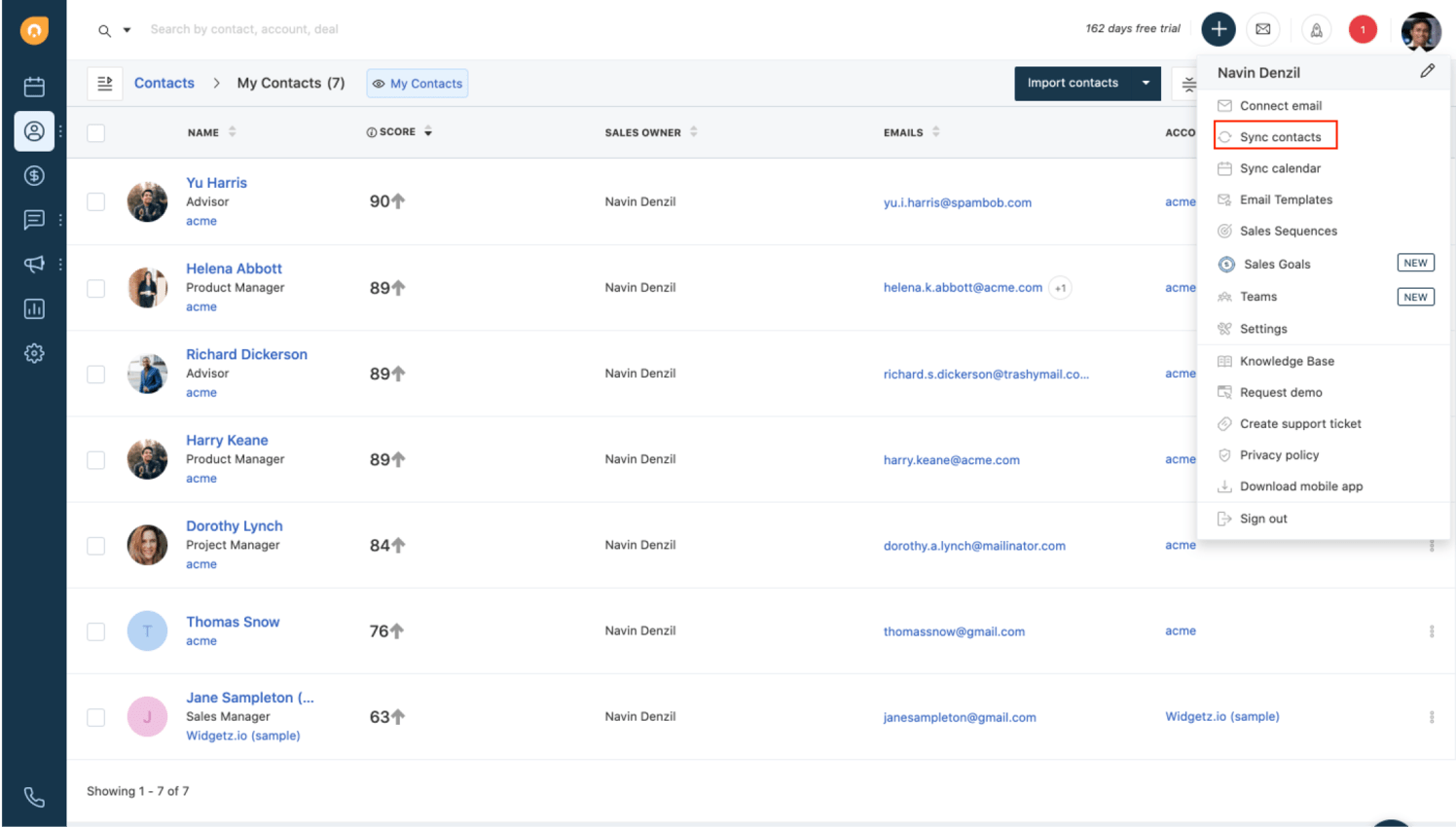
Overcoming CRM Challenges: Embracing the Power of CRM While Navigating the Challenges
In the high-stakes environment of investment banking, client relationship management (CRM) is more than just a digital Rolodex. It’s the heartbeat of client interactions, deal-making, compliance, and long-term strategic growth. But as powerful as CRM systems can be, firms often encounter numerous hurdles in implementing and maximizing their benefits. This article will explore the reality of overcoming CRM challenges in investment banking, guiding professionals through the most pressing obstacles and how to transform these hurdles into stepping stones for success.
The High-Stakes World of Investment Banking CRM: A Story of Struggle and Innovation
When Goldman & Mason Capital first implemented a top-tier CRM to unify client records across their deal teams, expectations were high. But just three months in, disillusionment set in. Teams complained about complexity, clients experienced delays, and deal flow slowed. Instead of enhancing performance, the CRM felt like another layer of bureaucracy. What went wrong? This story isn’t unique. It reflects the growing pains faced by firms attempting to modernize their operations using CRM tools in a high-pressure environment. But it also opens the door to powerful solutions.
Understanding CRM Challenges in Investment Banking
1. Data Fragmentation and Inconsistency
- Client information scattered across multiple platforms
- Lack of standardization for data entry
- Duplicate or outdated contact records
Why It Matters: Inconsistent data leads to poor client experiences and lost deal opportunities.
2. User Resistance and Low Adoption Rates
- Senior bankers resist change due to time constraints
- Junior associates feel overwhelmed by new systems
- Poor user interface (UI) impacts daily workflow
3. Integration Issues with Legacy Systems
- CRM systems often clash with old databases or tools
- Investment banks use proprietary analytics software that doesn’t sync well
4. Security, Compliance & Data Privacy
- Ensuring GDPR, SEC, and FINRA compliance
- Concerns over storing sensitive client information in cloud-based CRMs
5. Customization Limitations
- One-size-fits-all CRMs don’t suit complex banking processes
- Lack of tailored workflows for investment deal pipelines
CRM with Real-Time Data Synchronization: Why It’s Crucial
Investment banking depends on up-to-the-second information. Whether it’s changes in investor interest, market volatility, or ongoing deal negotiations, CRMs must deliver real-time updates across devices and departments.
Features to Look For:
- Bi-directional syncing across emails, calendars, and contact apps
- Real-time dashboards for pipeline management
- Alerts for compliance flags or overdue tasks
Comparing Two Leading to Overcoming CRM Challenges
We’ll compare DealCloud and Salesforce Financial Services Cloud, two popular solutions in investment banking CRM, to evaluate how they tackle key issues.
CRM Feature Table
| Feature | DealCloud | Salesforce Financial Cloud |
|---|---|---|
| Real-Time Data Sync | ✅ | ✅ |
| Compliance & Audit Trails | ✅ | ✅ |
| Custom Workflow Builder | ✅ | ✅ |
| Integration with Legacy Systems | ✅ (via APIs) | ✅ (AppExchange plugins) |
| User Adoption Tools (UX/UI focus) | ✅ | ✅ |
| Mobile Optimization | ✅ | ✅ |
| Forecasting & Deal Pipeline Analytics | ✅ | ✅ |
Pros & Cons Table
| CRM | Pros | Cons |
|---|---|---|
| DealCloud | Tailored for investment banking, Strong compliance tools | Slight learning curve for non-technical users |
| Salesforce Financial Cloud | Highly customizable, Large app ecosystem | Expensive for smaller firms, Overwhelming features |
Overcoming CRM Challenges: Solutions That Work
A. Training & Onboarding
- Role-based training modules
- Peer-to-peer mentorship programs
- On-demand tutorial libraries
B. Executive Buy-In and Culture Shift
- CRM adoption led by leadership
- Align CRM goals with revenue targets
C. Use CRM Champions Internally
- Assign tech-savvy team members as CRM ambassadors
- Encourage ongoing feedback and iteration
D. Focus on Small Wins
- Start with deal tracking
- Add advanced features gradually
E. Enhanced Security Protocols
- Use encrypted storage
- Multi-factor authentication (MFA)
Storytelling Break: From Friction to Flow
At Revere Partners, the implementation of Salesforce Cloud initially faced staff resistance. But after forming a CRM committee of junior and senior bankers and launching an internal training game with incentives, usage soared 67% in three months. Deals flowed faster, and client engagement increased dramatically. CRM stopped being a burden—it became the bank’s competitive edge.
CRM Implementation Best Practices in Investment Banking
- Audit Your Current Tools
- Define Your CRM Goals Clearly
- Engage End Users Early
- Test With a Pilot Program
- Create a CRM Success Metrics Dashboard
Summary Table: Key Considerations and Solutions
| Challenge | Impact | Solution |
|---|---|---|
| Data Fragmentation | Poor insights and client experience | Centralized CRM with data hygiene protocols |
| User Resistance | Low usage and ROI | Personalized training and executive buy-in |
| Integration with Legacy Tech | CRM becomes siloed | Use flexible CRM with strong API support |
| Security & Compliance | Risk of fines and reputational damage | CRM with audit trail and encryption |
| Customization Needs | Inefficient workflows | Choose CRM with modular customization |
Final Thoughts: of Overcoming CRM Challenges
The journey to overcoming CRM challenges in investment banking may be filled with obstacles, but the payoff is worth it. Firms that navigate these hurdles smartly can unlock greater efficiency, data-driven decisions, and stronger client relationships. By choosing the right CRM, investing in people, and building a culture of adoption, investment banks can ensure their CRM isn’t just a tool—but a strategic asset.
Recommended Resource: Salesforce Financial Cloud | DealCloud