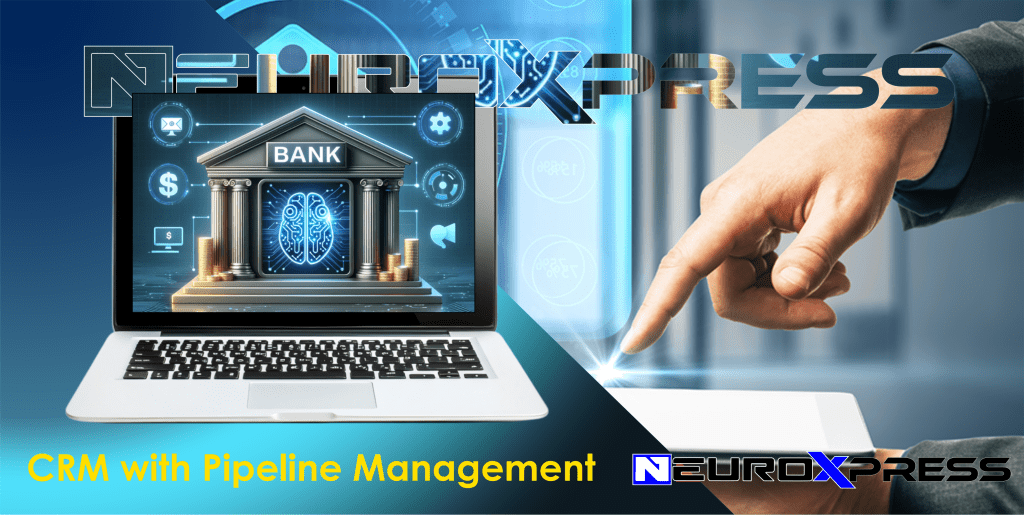
Introduction: The Critical Role of CRM with Pipeline Management in Investment Banking
In the fast-paced, high-stakes world of investment banking, having a robust CRM with pipeline management is no longer a luxury—it’s a necessity. Investment bankers juggle multiple client relationships, deal flows, and high-value transactions. Without a centralized, intelligent system to track progress and optimize interactions, opportunities slip through the cracks. In this article, we’ll explore why the right CRM with pipeline management tailored for investment banking can make or break your deal flow.
Storytelling: The Deal That Almost Slipped Away
Imagine an investment banker, Daniel, who’s been nurturing a relationship with a promising fintech startup. Everything seemed to be progressing smoothly until the CEO suddenly requested a funding round timeline Daniel couldn’t recall. He scoured through dozens of email threads and outdated spreadsheets. By the time he found the last touchpoint, the startup had gone with another advisor. That single miss cost Daniel a seven-figure deal.
Now imagine Daniel had a CRM with pipeline management tailored for investment banking. Every interaction, timeline, and deal stage would’ve been at his fingertips. The right system can change the game entirely.
What is CRM with Pipeline Management?
CRM with pipeline management refers to software that combines relationship management with visual tools for tracking the progress of deals across stages. For investment bankers, this translates into a real-time overview of all deal activities, investor communications, regulatory checkpoints, and revenue forecasts.
Key Functions:
- Client and investor contact management
- Visual deal pipeline tracking
- Task reminders and automated workflows
- Deal staging and progress insights
- Reporting and analytics dashboards
- Compliance documentation support
Why Investment Banking Needs CRM with Pipeline Management
1. High Deal Volume Requires Centralization
Investment banking is data-heavy and fast-moving. Managing deals across Excel or disconnected tools leads to delays and miscommunication. A CRM system consolidates this data, providing a single source of truth.
2. Personalized Investor Relations
Maintaining relationships is critical. With CRM tools, bankers can automate follow-ups, remember client preferences, and send updates at the right time.
3. Risk Reduction Through Pipeline Visibility
Seeing bottlenecks and forecasting outcomes reduces the risk of last-minute surprises. This kind of visibility is essential in high-value, time-sensitive deals.
Best CRM with Pipeline Management for Investment Banking
We’ll compare two top-performing CRM systems for investment bankers:
- DealCloud
- Affinity CRM
Data Table: Feature Comparison
| Feature | DealCloud | Affinity CRM |
|---|---|---|
| Deal Pipeline Visualization | ✅ Yes | ✅ Yes |
| AI Relationship Intelligence | ✅ Yes | ✅ Yes |
| Custom Workflow Automation | ✅ Yes | ✅ Yes |
| Compliance & Regulatory Tools | ✅ Strong | ⚠️ Moderate |
| Reporting & Forecasting | ✅ Advanced | ✅ Advanced |
| Mobile App Availability | ✅ iOS/Android | ✅ iOS/Android |
| Integration with Office Tools | ✅ Full | ✅ Full |
| Price Range | $$$ | $$ |
| Suitable for Boutique Firms | ✅ Yes | ✅ Yes |
Data Table: Pros & Cons
| CRM | Pros | Cons |
|---|---|---|
| DealCloud | Highly customizable, regulatory ready, excellent support | Higher price point, steeper learning curve |
| Affinity CRM | Strong relationship tracking, easy interface, cost-effective | Slightly less robust on compliance tools |
Storytelling Mid-Article: From Manual to Magical
Samantha, a senior banker at a boutique investment firm, was using outdated CRMs and manual logs for deal tracking. After switching to a system with true pipeline management, her team cut down 40% of admin work and closed 25% more deals within a year. They now have real-time data on every investor conversation and can forecast revenues with confidence. “It’s like we went from riding a bike to flying a jet,” she said.
How to Choose the Right CRM with Pipeline Management
Step-by-Step Guide:
- Define Your Deal Flow Needs: Are you managing multiple sectors, geographies, or deal sizes?
- Evaluate Compliance Needs: Choose a CRM that aligns with FINRA/SEC or international compliance.
- Check Integration Compatibility: Ensure it works with your current tools like Outlook, Slack, Excel.
- Assess UI and Training Resources: Choose a CRM your team can learn and adopt quickly.
- Compare Pricing and Support: Don’t compromise on post-sale support or flexibility.
SEO-Optimized Benefits of CRM with Pipeline Management
What You’ll Gain:
- Increase in successful deal closures by up to 30%
- Enhanced investor satisfaction
- Streamlined due diligence and reporting
- Reduced compliance risks
- Better team collaboration and task management
Bullet Points:
- 📈 More Visibility = Better Results
- 🔄 Automation = Time Savings
- 🔐 Centralized Data = Security & Compliance
- 🤝 Smarter Interactions = Happier Clients
Final Thoughts: Why CRM with Pipeline Management is the Future of Investment Banking
With the increasing complexity of investment banking deals, the era of disjointed spreadsheets and manual tracking is over. Implementing CRM software with pipeline management isn’t just a tech upgrade—it’s a strategic move toward higher efficiency, compliance, and profitability.
Summary Diagram Table
| Factor | DealCloud | Affinity CRM |
|---|---|---|
| Best For | Complex deals | Relationship-first firms |
| Compliance Strength | ✅ High | ⚠️ Medium |
| Customization | ✅ Full | ✅ Partial |
| Learning Curve | ⚠️ Steep | ✅ Easy |
| Overall Recommendation | ✅ Premium Choice | ✅ Value Choice |
External Resources
This article was crafted to help investment bankers make informed decisions while optimizing their client pipeline and deal performance.